Buy now pay later (BNPL) impact on consumer behavior
Anúncios
Buy now pay later (BNPL) allows consumers to receive products immediately and divide the cost into smaller installments. This payment method has become popular because it offers convenience and short-term flexibility.
However, using several BNPL plans at once can make expenses harder to track and increase the risk of debt accumulation. Late payments may also lead to fees and, depending on the provider, affect a consumer’s credit profile.
BNPL is changing shopping habits by making purchases feel more affordable at checkout. Consumers should review repayment terms carefully and ensure each installment fits comfortably within their budget.
Understanding buy now pay later (BNPL)
Understanding buy now pay later (BNPL) is crucial for today’s consumers. This payment option changes how people shop by allowing them to acquire goods without upfront payment.
As more people use BNPL services, it’s essential to grasp its implications on spending habits and overall financial management.
Anúncios
Buy now pay later is a type of financing that allows customers to purchase products and pay for them over time, often interest-free within a specific period.
This flexibility can make shopping more accessible, especially for those with tight budgets. However, it’s vital to be mindful of the potential pitfalls as well.
Key Features of BNPL
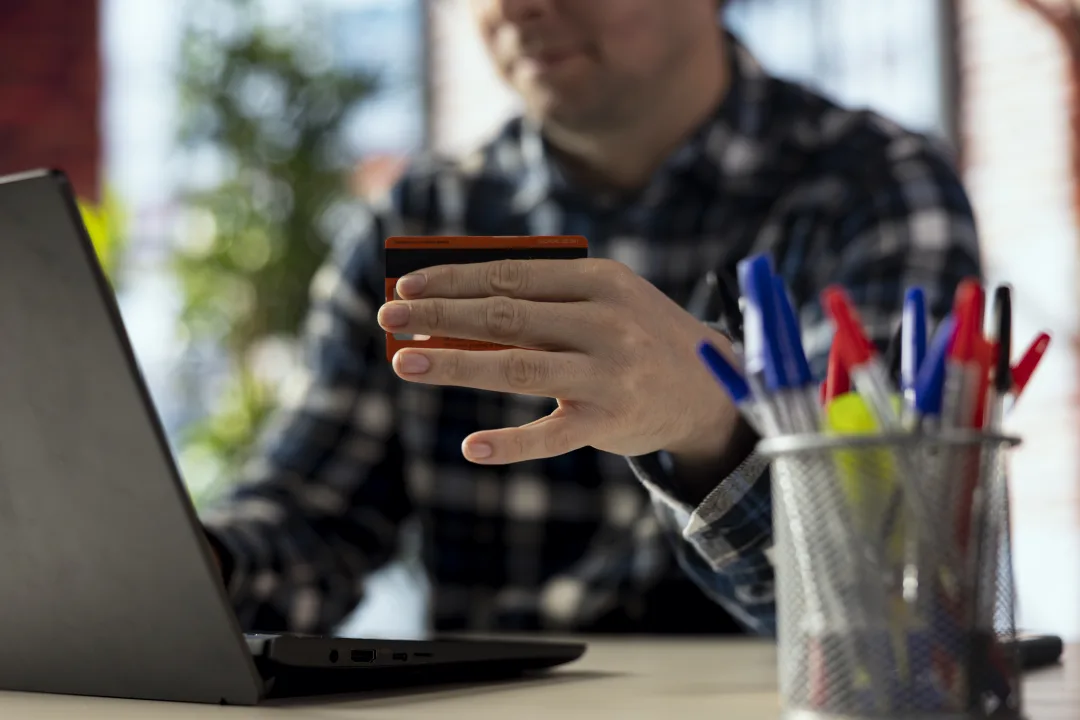
- No upfront payment: Consumers can enjoy products immediately without paying the full price right away.
- Flexible payment plans: Many services offer tailored payment schedules to suit different financial situations.
- Quick approval: Most applications are processed instantly, making it easy to shop online.
- Interest-free periods: Customers typically have a specific time frame to pay off the balance without incurring interest.
While BNPL can be beneficial, consumers should consider their ability to repay on time. Late payments may incur fees and can negatively impact credit scores. To use BNPL effectively, budgeting and planning are essential.
Anúncios
Moreover, BNPL is reshaping consumer behavior by promoting higher spending due to the perception of affordability. Shoppers often feel they can buy more when the payment is stretched over time. This can lead to a cycle of debt if individuals do not monitor their spending closely, which is a factor to keep in mind.
Additionally, some studies suggest that certain demographics are more likely to utilize BNPL services. Younger consumers, in particular, are opting for this method, which reflects their preference for instant gratification and flexibility. Understanding these trends can help businesses tailor their marketing strategies to reach their audience effectively.
The rise of BNPL services
The growth of buy now pay later (BNPL) services has significantly changed the retail landscape. Many consumers value the ability to divide purchases into smaller payments instead of covering the full cost upfront.
This flexibility can make higher-priced products feel more accessible and may encourage shoppers to complete purchases they would otherwise delay. The model has become especially prominent as e-commerce continues to expand.
Retailers can benefit from stronger conversion rates, but consumers must manage repayments carefully. Using multiple BNPL plans at once may increase financial pressure and make monthly obligations harder to track.
Factors Contributing to the Rise
Several factors have contributed to the growing popularity of BNPL services. Their simple checkout process appeals to consumers who want a quick and flexible way to divide payments.
Many providers also use less demanding approval processes than traditional lenders. This can make BNPL available to shoppers who might struggle to qualify for other forms of credit.
However, easier access can encourage consumers to take on several installment plans at once. Reviewing repayment dates, fees, and total monthly obligations is essential for avoiding financial strain.
Key Drivers of Popularity
- Ease of use: Shoppers can quickly sign up and start using BNPL at checkout.
- Increased online shopping: As e-commerce expands, more retailers are integrating BNPL options.
- Consumer demand for flexibility: Buyers enjoy payment plans that fit their budgets.
- Promotional offers: Many BNPL providers attract customers with interest-free periods.
This combination of factors has led to a remarkable shift in how consumers approach spending. With BNPL, many individuals feel empowered to make bigger purchases without the immediate financial burden. This method is particularly appealing to younger generations who prioritize experiences over ownership.
Moreover, as retailers adopt BNPL services, they notice increased conversion rates. When customers can choose how and when to pay, they often complete transactions that they might abandon otherwise. This trend not only boosts sales but also enhances customer satisfaction.
As more brands partner with BNPL providers, this payment method is quickly becoming the norm in many shopping experiences. Its rapid adoption reflects changing consumer attitudes toward credit and spending, showcasing a shift towards flexibility and affordability in purchases.
How BNPL affects purchase decisions
Understanding how buy now pay later (BNPL) influences purchasing decisions is important for both shoppers and retailers. The option can make products feel more affordable by dividing the total price into smaller installments.
Consumers may choose to buy sooner, select higher-priced items, or complete purchases they would otherwise postpone. This flexibility can improve convenience, but it may also encourage impulsive spending.
For retailers, BNPL can support conversion rates and larger average orders. Clear repayment terms and responsible promotion are essential to help customers avoid taking on more debt than they can manage.
The Psychological Impact of BNPL
Using BNPL can change how consumers view their financial limits. Smaller installment amounts may make a purchase seem more affordable than paying the full price immediately.
This perception can increase confidence at checkout and encourage shoppers to buy sooner or choose more expensive products. However, it may also lead to impulse purchases that exceed the usual budget.
When several BNPL plans are active at the same time, repayment obligations can become difficult to track. Consumers should consider the total cost and monthly commitments before completing a purchase.
Factors Influencing Purchase Decisions
- Immediate gratification: BNPL allows consumers to enjoy items right away, even if they can’t pay fully at that moment.
- Lower perceived cost: By spreading out payments, individuals may view items as more affordable.
- Increased shopping frequency: The convenience of BNPL can encourage shoppers to buy more often.
- Brand loyalty: Retailers offering BNPL can foster a sense of loyalty as consumers prefer to shop where they can use these services.
This shift in mindset can lead to a higher overall spending. For example, if a consumer knows they can translate a big purchase into smaller, manageable payments, they might be more inclined to buy high-ticket items. Additionally, BNPL offers consumers the option to budget better by planning their payment schedule.
Moreover, BNPL can influence the choice of retailer. Consumers may choose stores that provide this option over others that do not. Retailers that incorporate BNPL into their payment methods often see an increase in conversion rates. This means more customers complete their purchases rather than abandoning their shopping carts.
Technology plays a significant role in this trend, as many BNPL services are integrated directly into online checkouts. This seamless experience removes barriers that might otherwise discourage purchases. As a result, understanding these dynamics helps brands align their offerings with consumer expectations.
BNPL’s role in financial health
BNPL, or buy now pay later, can influence consumer financial health in both positive and negative ways. It provides immediate access to products while spreading payments over time.
When used carefully, BNPL may help manage short-term cash flow and avoid paying the full cost upfront. However, multiple installment plans can make monthly obligations difficult to monitor.
Late payments, fees, and overspending may create long-term financial pressure. Consumers should review their budgets and repayment schedules before using BNPL for additional purchases.
Positive Aspects of BNPL
One important advantage of BNPL is its ability to provide greater short-term cash-flow flexibility. Dividing a purchase into smaller installments can make a large expense easier to manage.
This option may be particularly useful when unexpected costs arise, such as vehicle repairs or urgent healthcare expenses. It allows consumers to spread payments rather than cover the full amount immediately.
However, each installment should still fit comfortably within the monthly budget. Reviewing fees, payment dates, and other financial obligations can help prevent short-term convenience from becoming long-term debt.
Potential Risks
- Debt accumulation: Using BNPL too frequently might lead to a cycle of debt, as consumers may struggle to keep track of multiple payments.
- Impact on credit scores: Late or missed payments can harm credit scores, making future borrowing more difficult.
- Overspending temptation: The easy access to BNPL can encourage individuals to spend beyond their means.
- Long-term financial planning: Relying on BNPL might detract from budgeting and saving habits.
Overall, BNPL can offer an immediate solution to financial needs. However, it is crucial for users to monitor their expenses closely. When used wisely, BNPL can enhance purchasing power without compromising financial stability.
Financial education is important in navigating the complexities of BNPL. Understanding the terms and potential impacts can lead to more informed decisions. If used thoughtfully, BNPL can be a useful tool for managing finances.
As the popularity of BNPL grows, its role in shaping consumer behavior and financial practices cannot be ignored. Adopting good financial habits, such as setting budgets and tracking payments, is vital to avoid falling into debt traps.
Consumer concerns with BNPL
Consumer concerns about buy now pay later (BNPL) are growing as the payment method becomes more common. While installment plans offer convenience, they can also make spending harder to monitor.
Key worries include late fees, overlapping payment schedules, unclear terms, and the risk of accumulating debt across several providers. Missed payments may also affect access to future credit.
Consumers should review the full repayment schedule before using BNPL and track every active plan in one place. Careful budgeting can help preserve the convenience without creating unnecessary financial pressure.
Understanding the Risks
One of the main concerns surrounding BNPL is the risk of accumulating debt. The ability to divide payments can make purchases seem more affordable than they truly are.
Consumers may use several installment plans at once or buy products they would normally avoid. Over time, these smaller obligations can combine into a significant monthly expense.
Tracking every active payment and setting a clear spending limit can help reduce this risk. BNPL should be used only when the full purchase comfortably fits within the consumer’s budget.
Market Awareness
- Hidden fees: Some BNPL services charge late fees that can add up quickly, leading to surprising and unwanted costs.
- Complex terms: Not all consumers fully understand the terms of their BNPL agreements, which can lead to misunderstandings and financial strain.
- Impact on credit score: Missing payments can negatively affect a consumer’s credit score, impacting future borrowing options.
- Encouragement to overconsume: The allure of BNPL may encourage buyers to spend more than they had initially planned.
Moreover, many consumers worry about how BNPL fits into their overall financial health. It is essential for individuals to assess their budgets carefully when using this payment option.
Additionally, there are concerns about personal information security. As BNPL services require sensitive financial data, consumers must ensure they use reputable providers. The increase in online shopping means that data breaches can occur, heightening fears about privacy and security.
The variation in BNPL service offerings also adds to confusion. Some services might offer better terms than others, leaving consumers uncertain about which option is the best for their needs. Comparing different providers becomes crucial to making informed decisions that won’t jeopardize their financial situation.
Future trends in BNPL adoption
Future trends in buy now pay later (BNPL) adoption are expected to further transform consumer finance. As digital payment technology advances, these services may become available across more online and physical stores.
BNPL providers are likely to use improved data analysis, automated approvals, and personalized payment plans. Greater integration with mobile wallets and retail platforms could make installment payments even more convenient.
At the same time, stronger regulations and clearer disclosures may become increasingly important. These changes could improve consumer protection while encouraging more responsible and transparent use of BNPL services.
Increased Integration with E-commerce
As online shopping continues to expand, BNPL is becoming an important feature for many e-commerce platforms. Retailers are adding these services to provide customers with greater payment flexibility.
Offering installment options can make the checkout process more convenient and encourage shoppers to complete purchases. It may also help retailers reduce cart abandonment and increase average order values.
This growing adoption reflects changing consumer expectations around how purchases should be paid for. Customers increasingly prefer payment methods that offer simplicity, speed, and greater control over short-term expenses.
Emergence of New Players
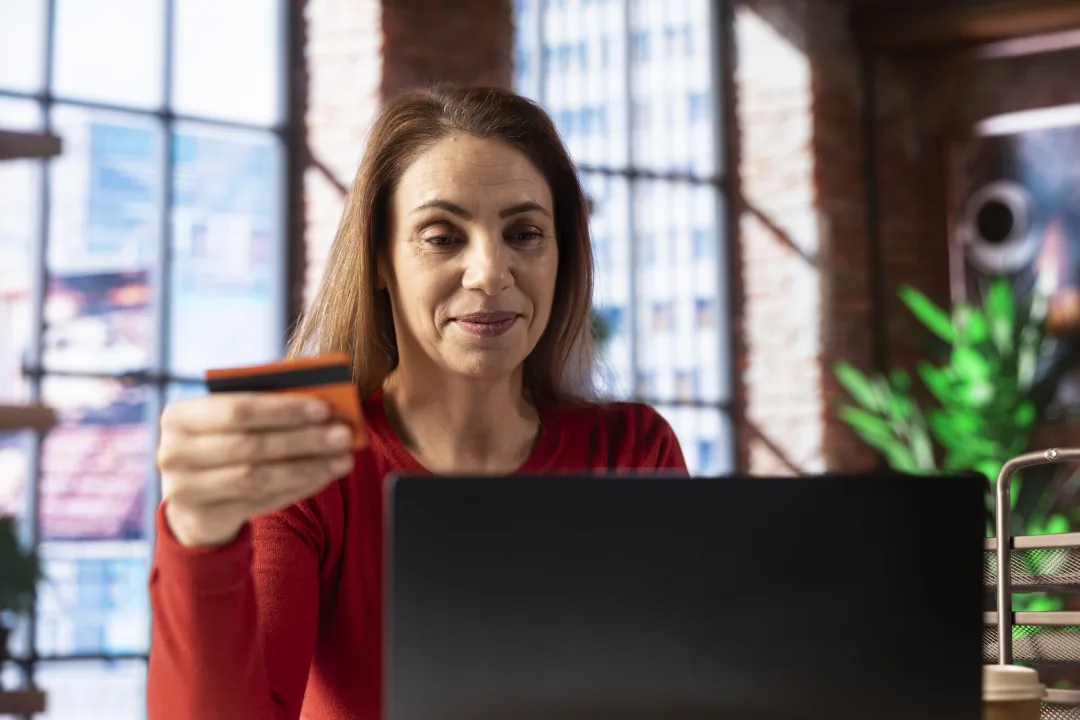
- Fintech Innovations: New fintech companies are entering the BNPL space, bringing more competitive pricing and features.
- Collaboration with Traditional Banks: There is a likelihood that traditional banks will begin to offer their own BNPL options, integrating them with existing accounts.
- Consumer-Focused Customization: Future BNPL services are likely to include personalized payment plans based on individual spending habits.
- Focus on Mobile Experiences: With the rise of mobile shopping, BNPL options tailored for mobile users will likely dominate the market.
Moreover, as consumers grow increasingly aware of their financial health, there will be a shift towards responsible borrowing. Education around managing Buy Now Pay Later (BNPL) responsibly will become imperative. More companies may provide tools to help users track their spending and repayment schedules, promoting healthy financial habits.
In addition to this, regulatory scrutiny of BNPL services is expected to increase. Governments may implement guidelines to ensure transparency in fees and terms, protecting consumers from potential pitfalls. This attention will likely lead to greater confidence in BNPL options.
As these trends unfold, the BNPL landscape will benefit from technological advancements that enhance user experience. Features such as better user interfaces, automated alerts for payment due dates, and integrated budgeting tools will provide consumers with a more cohesive shopping and payment experience.
Conclusion:
As we look ahead, the future of buy now pay later (BNPL) services will likely continue evolving to meet consumer needs.
With increasing integration into e-commerce, a rise in competition, and emphasis on responsible financial habits, BNPL could reshape how we think about paying for purchases. Awareness of potential risks and benefits is crucial for users to make informed choices.
Overall, BNPL offers exciting possibilities for both consumers and retailers, promising a more adaptable and convenient shopping experience.
| Topic | Details |
|---|---|
| Future Trends 🌟 | Integration with e-commerce will increase. |
| New Players 🚀 | More fintech firms will enter the BNPL market. |
| Consumer Education 📚 | Education on responsible borrowing will grow. |
| Regulatory Changes ⚖️ | Expect more regulations to protect consumers. |
| Enhanced Experience 🎉 | Technology will improve user interface and tools. |
FAQ – Questions about Buy Now Pay Later (BNPL)
What is Buy Now Pay Later (BNPL)?
BNPL is a payment option that allows consumers to purchase items and pay for them over time, often without interest.
How can Buy Now Pay Later (BNPL) affect my spending habits?
BNPL can lead to increased spending as it provides flexibility, allowing consumers to buy items they may not afford upfront.
What are some risks of using Buy Now Pay Later (BNPL) services?
Risks include potential debt accumulation, late fees, and the effect on credit scores if payments are missed.
Will BNPL services be regulated in the future?
Yes, as BNPL services grow, they are likely to face increased regulatory scrutiny to ensure consumer protection.
Read more on our website