Consumer Spending Forecast 2026: Trends and Economic Outlook
Anúncios
The financial forecast for consumer spending in 2026 indicates significant shifts driven by inflation, technology changes, and evolving consumer behaviors, requiring businesses to adapt quickly to stay competitive.
Financial forecast consumer spending 2026 presents intriguing insights into how our spending habits might change.
Have you ever wondered what factors could affect our wallets in a few years? Let’s dive into the predictions and what they could mean for you.
Understanding consumer spending trends
Understanding consumer spending trends is essential for both businesses and individuals planning for the future. As 2026 approaches, spending behaviors are evolving in response to economic pressures and shifting priorities.
Economic conditions such as inflation, interest rates, and income growth continue to influence how much people are willing and able to spend. These factors directly impact confidence and purchasing decisions across different income groups.
Anúncios
At the same time, technological advancements and social changes are reshaping consumption patterns. Digital shopping, convenience, and value-driven choices are becoming central to how consumers interact with the market.
Key Factors Influencing Consumer Behavior
Many aspects affect how consumers decide to spend their money. Recognizing these can help you stay ahead in the marketplace. Among these factors are:
- Income levels – Changes in income can directly impact spending.
- Inflation rates – Higher inflation often leads to more cautious spending.
- Technological innovations – New technologies can improve convenience and influence purchasing decisions.
- Sustainability trends – More consumers are choosing eco-friendly products.
As technology evolves, so do consumer expectations. They now want seamless online experiences and easy payment systems.
Anúncios
This shift has led many businesses to invest in digital transformations. With more people shopping online, understanding these consumer behaviors becomes even more vital.
Shifts in Demographics and Preferences
The demographics of consumers are changing, affecting spending patterns in various ways. Younger generations are attracted to sustainable brands, while older generations may prioritize service and quality.
Additionally, social media influences buying decisions. Consumers often seek recommendations and reviews online before making a purchase.
Overall, understanding consumer spending trends requires continuous observation of these shifts in behavior and preferences. Businesses that adapt to these trends can thrive in an ever-changing market. Entrepreneurial success often hinges on the ability to interpret these patterns effectively and adjust strategies accordingly.
Key factors influencing 2026 forecasts
Several key factors will shape consumer spending forecasts in 2026. Economic conditions, including inflation, interest rates, and employment levels, will heavily influence purchasing power and confidence.
At the same time, shifting consumer preferences are redefining spending patterns. People are prioritizing value, convenience, and experiences, while becoming more selective with discretionary purchases.
Technology also plays a major role, driving e-commerce growth and personalized shopping experiences. Understanding these elements helps both businesses and consumers make smarter, more informed decisions.
Economic Factors
Economic trends can significantly influence how much money consumers are willing to spend. For instance, lower unemployment rates usually lead to increased household income. In addition,:
- Inflation rates – Higher inflation can reduce purchasing power.
- Interest rates – Changes in interest rates can affect consumer borrowing and spending.
- Economic growth – Countries with rising GDP tend to see increased consumer expenditures.
- Government policies – Stimulus packages may boost consumer confidence.
As economic conditions evolve, consumer confidence typically sways with them. When people feel secure in their jobs and finances, they tend to spend more.
Conversely, uncertainty can lead to cautious spending, making it essential to monitor economic indicators.
Technological Advancements
Technology also impacts consumer behavior significantly. As new technologies emerge, the ways in which consumers shop and pay for goods change. For example, mobile payments and online shopping have become standard. This shift has led to:
- Faster services – Consumers expect speedy transactions.
- Personalized marketing – Data analytics enables targeted advertising.
- Convenience-driven purchases – Accessibility influences buying habits.
- Social media engagement – Platforms are now essential for brand visibility.
Additionally, consumer preferences are rapidly shifting due to the influence of various factors such as social consciousness and environmental concerns.
Brands that adapt to these preferences can capitalize on emerging markets, aligning their products and services with what consumers want in 2026.
Overall, understanding the key factors influencing 2026 forecasts provides invaluable insights for navigating the ever-changing consumer landscape.
Regional variations in consumer behavior
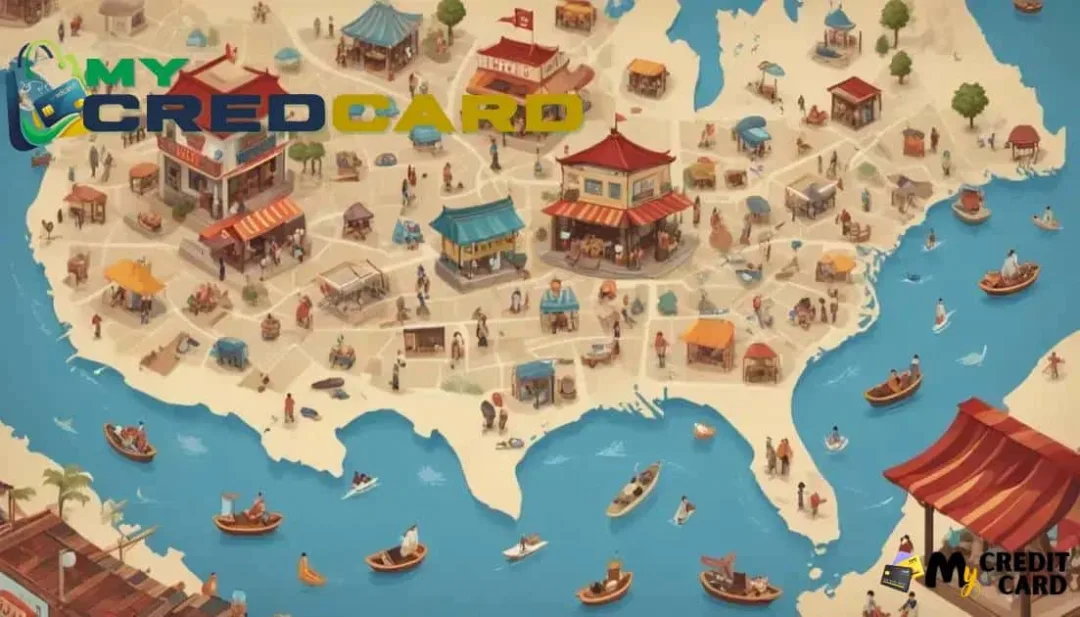 Consumer behavior varies greatly across different regions, which is vital to understand when planning for 2026.
These variations can be influenced by local cultures, economic conditions, and even climate.
By grasping these regional differences, businesses can tailor their offerings to meet specific consumer needs.
Cultural Influences
Each region has its own unique culture that shapes purchasing decisions. For example, in some areas, community-oriented buying is prevalent, while other regions may prioritize individualism. This cultural backdrop affects:
- Product preferences – Certain items may be popular in one region but not in another.
- Brand loyalty – Some consumers are more loyal to local brands than national ones.
- Shopping habits – Social settings may drive purchases, such as family outings or community events.
- Advertising effectiveness – Different messages resonate with different audiences.
These factors contribute to the overall landscape of consumer behavior across regions, highlighting the significance of cultural context in spending trends.
Economic Factors at Play
Regional economic conditions also play a critical role in consumer behavior. Wealth distribution, employment rates, and cost of living can affect spending habits. Areas with higher income levels generally see:
- Increased luxury spending – Consumers may indulge in premium products.
- Greater discretionary income – More money allows for non-essential purchases.
- Better investment in experiences – Spending on travel, dining, and entertainment grows.
- Impact of local economies – Economic downturns can lead to more conservative spending.
Overall, understanding the regional variations in consumer behavior is crucial for businesses looking to engage effectively with their target audience.
By strategically adapting to these local nuances, companies can capture market share and foster lasting relationships with consumers across different areas.
Impact of inflation on spending habits
Inflation has a direct impact on consumer spending habits, often forcing individuals to rethink their priorities. As prices rise, everyday goods and services become more expensive, reducing overall purchasing power.
Many consumers begin to cut back on non-essential items and focus more on necessities like food, housing, and utilities. This shift can lead to noticeable changes in demand across different sectors of the economy.
As financial pressure increases, people become more cautious with their spending decisions. Understanding these patterns is key to adapting budgets and maintaining financial stability during inflationary periods.
Changing Priorities
With the pressure of rising prices, consumers often shift their spending priorities. They may focus on essential items, such as:
- Food and groceries – Basic needs take precedence during times of high inflation.
- Housing costs – Rent and mortgage payments become a top priority.
- Transportation expenses – People may rethink their travel methods due to fuel prices.
- Health and wellness – Medical costs can become more significant as individuals focus on staying healthy.
This shift indicates that luxury or non-essential purchases may be put on hold during inflationary periods.
Consumer Behavior Adjustments
Inflation leads consumers to seek ways to cope with higher costs. Many people become thrifty, cutting back on spending and searching for deals or discounts.
Additionally, they may switch to lower-cost brands or shop at discount retailers to stretch their budgets further. This trend can impact many industries as businesses must adapt their strategies to retain customers who are now more price-sensitive.
During inflation, shopping habits also change, with more individuals turning to online shopping to find better deals. Overall, understanding the impact of inflation on spending habits is crucial for businesses and consumers alike. Adjusting to these changing behaviors can help navigate the evolving economic landscape effectively.
How technology shapes future purchases
Technology significantly influences how consumers make purchases and will continue to do so in the upcoming years.
As new innovations emerge, they reshape our shopping experiences and preferences.
From mobile applications to artificial intelligence, the impact of technology is profound and undeniable.
Mobile Shopping and Convenience
More consumers are turning to their smartphones for shopping. Mobile apps make it easier to compare prices and discover deals, leading to an increase in impulse purchases. Some key effects include:
- Instant access – Shoppers can buy anything with just a few taps.
- Personalized recommendations – Apps use data to suggest products tailored to individual preferences.
- Mobile payments – Options like Apple Pay and Google Wallet streamline checkout processes.
- Social media integration – Platforms like Instagram allow direct shopping within the app.
This convenience is driving more consumers to rely on technology for their shopping needs, changing the landscape of retail.
Impact of Artificial Intelligence
Artificial intelligence (AI) plays a critical role in shaping future buying behaviors. Retailers are leveraging AI to enhance the customer journey. This includes:
- Chatbots – Providing instant support and product recommendations 24/7.
- Predictive analytics – Helping companies anticipate consumer trends and preferences.
- Inventory management – AI optimizes stock levels based on buying patterns.
- Enhanced customer experience – AI personalizes interactions based on purchase history.
As technology continues to evolve, it transforms not only how we shop but also the expectations we have for our shopping experiences. The way technology shapes future purchases is evident in these advancements, making it crucial for businesses to stay ahead in the technology game.
Tips for businesses to adapt to market changes

Businesses must remain agile to respond effectively to constant market changes. Shifts in consumer behavior, rapid technological advancements, and evolving economic conditions require continuous adaptation.
Companies that embrace flexibility can quickly adjust strategies, optimize operations, and seize new opportunities. This often involves leveraging data, adopting new technologies, and staying closely aligned with customer needs.
By implementing proactive and strategic approaches, organizations can strengthen their position in the market. Agility becomes a key driver of long-term success and resilience in an ever-changing environment.
Stay Informed and Research
Understanding market trends is essential. Businesses should regularly conduct market research to identify shifts in consumer preferences. Some effective strategies include:
- Surveys and feedback – Gather direct insights from customers.
- Competitor analysis – Observe what others in the industry are doing.
- Trend forecasting – Utilize tools that predict future market shifts.
- Social media monitoring – Track discussions and trends within target demographics.
By staying informed, businesses can anticipate changes and respond proactively.
Embrace Flexibility
Adaptability is crucial in a fast-paced environment. Companies should develop flexible strategies to allow for quick pivots when necessary. This might include:
- Diverse product lines – Offering a range of products can help meet different consumer needs.
- Remote working options – Flexibility in work arrangements can enhance employee productivity.
- Agile marketing strategies – Quick adjustments to marketing campaigns based on real-time data can enhance effectiveness.
- Partnerships and collaborations – Forming alliances can allow businesses to adapt better to changes in the market.
Conclusion
By embracing flexibility, companies can navigate uncertain times more effectively.
Investing in technology is another crucial aspect.
Upgrading software systems and utilizing data analytics can streamline operations and improve customer experiences.
Overall, understanding these tips for businesses to adapt to market changes is vital for thriving in a competitive environment. By implementing these strategies, companies can build resilience and foster growth in any market condition.
| Tip | Description |
|---|---|
| 📊 Stay Informed | Conduct regular market research to track consumer trends. |
| 🔄 Embrace Flexibility | Adapt strategies to allow quick pivots in response to market changes. |
| 💻 Invest in Technology | Upgrade systems and utilize data analytics for better decision-making. |
| 🤝 Build Partnerships | Collaborate with other businesses to adapt to changes effectively. |
| 💬 Gather Feedback | Use customer insights to refine products and services according to needs. |
FAQ – Frequently Asked Questions about Consumer Spending and Business Adaptation
How can understanding consumer spending trends help my business?
By analyzing consumer spending trends, you can make informed decisions about product offerings and marketing strategies to meet changing demands.
What role does technology play in purchasing behaviors?
Technology facilitates convenience in shopping, influences consumer preferences, and enables personalized marketing through data analytics.
How can businesses adapt to inflation affecting consumer spending?
Businesses can adjust their pricing strategies, focus on essential goods, and offer discounts to remain appealing to consumers facing inflation.
What are some effective ways to gather customer feedback?
Use surveys, social media interactions, and direct communication to gain insights on customer preferences and improve products or services accordingly.
Read more on our website